Solar Panel Sizing, Gold Coast Solar, Solar System Capacity, Battery Storage Options, Solar Installation Guide
Solar Panel Sizing in 2026: How Much Solar Do Gold Coast Homes Really Need?
Thinking about solar in 2026 and wondering, “How big should my system be?” You’re not alone. With modern high‑wattage panels, changing home energy usage, electric vehicles, and battery storage options, getting Solar Panel Sizing right on the Gold Coast is more important than ever. This guide from Green Coast Solar & Electrical walks you through what actually determines the right Solar System Capacity for your home—beyond just looking at your power bill.
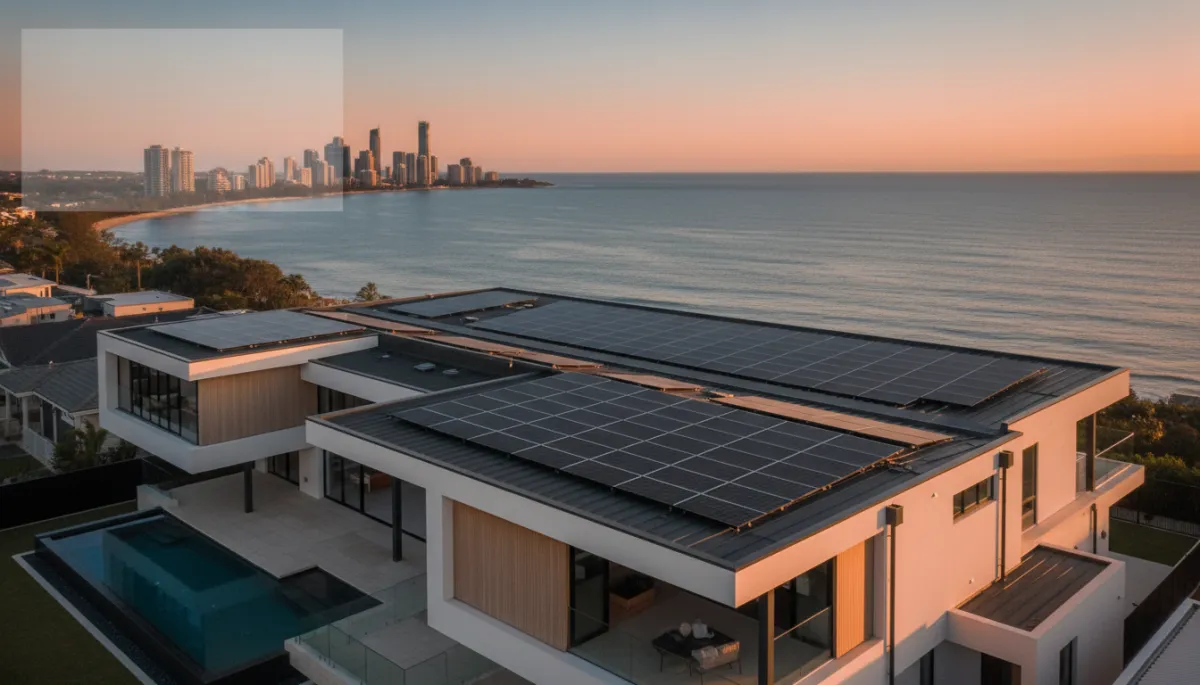
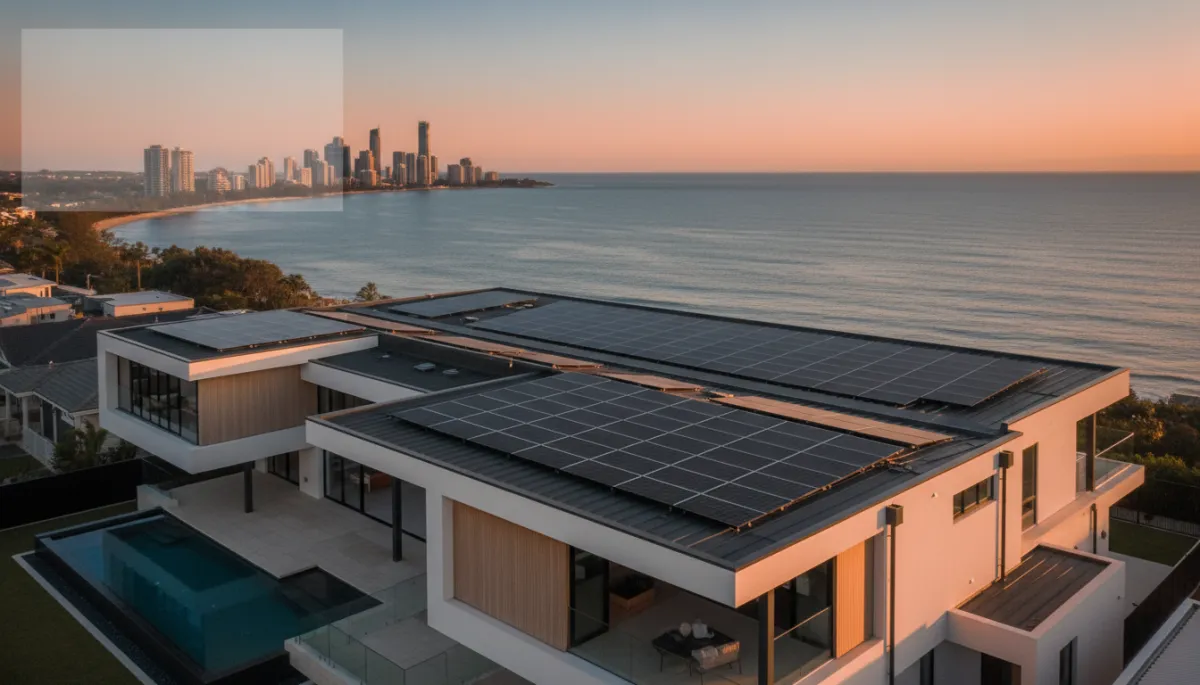
Right-Sized Solar for Real Gold Coast Homes
Designing solar and battery systems around how you actually use energy
Why “How Much Solar Do I Need in 2026?” Is a Different Question Than It Was Five Years Ago
The Gold Coast is already one of Australia’s rooftop solar hotspots. By mid‑2026, more than half of local homes have solar, with an estimated 250 MW of rooftop capacity installed across the region, mostly on residential properties. At the same time, home energy usage is changing fast—more air‑conditioning during hotter summers, more electric vehicles (EVs), and growing interest in Home Energy Usage optimisation with batteries and smart devices.
That means the old rule‑of‑thumb approach—grabbing your last power bill and installing “whatever covers it”—no longer cuts it. In 2026, the right Solar System Capacity depends on:
When you use electricity (not just how much)
Whether you plan to add an EV or home battery in the next few years
How your roof faces and how much usable area you actually have
Your long‑term plans for the home and your lifestyle
At Green Coast Solar & Electrical, our engineering‑led design process looks at all of these factors before we recommend a system size. Let’s unpack them one by one so you know what to expect from a proper solar consultation in 2026.
Modern Solar Panel Sizes in 2026: More Power per Panel, Less Roof Wasted
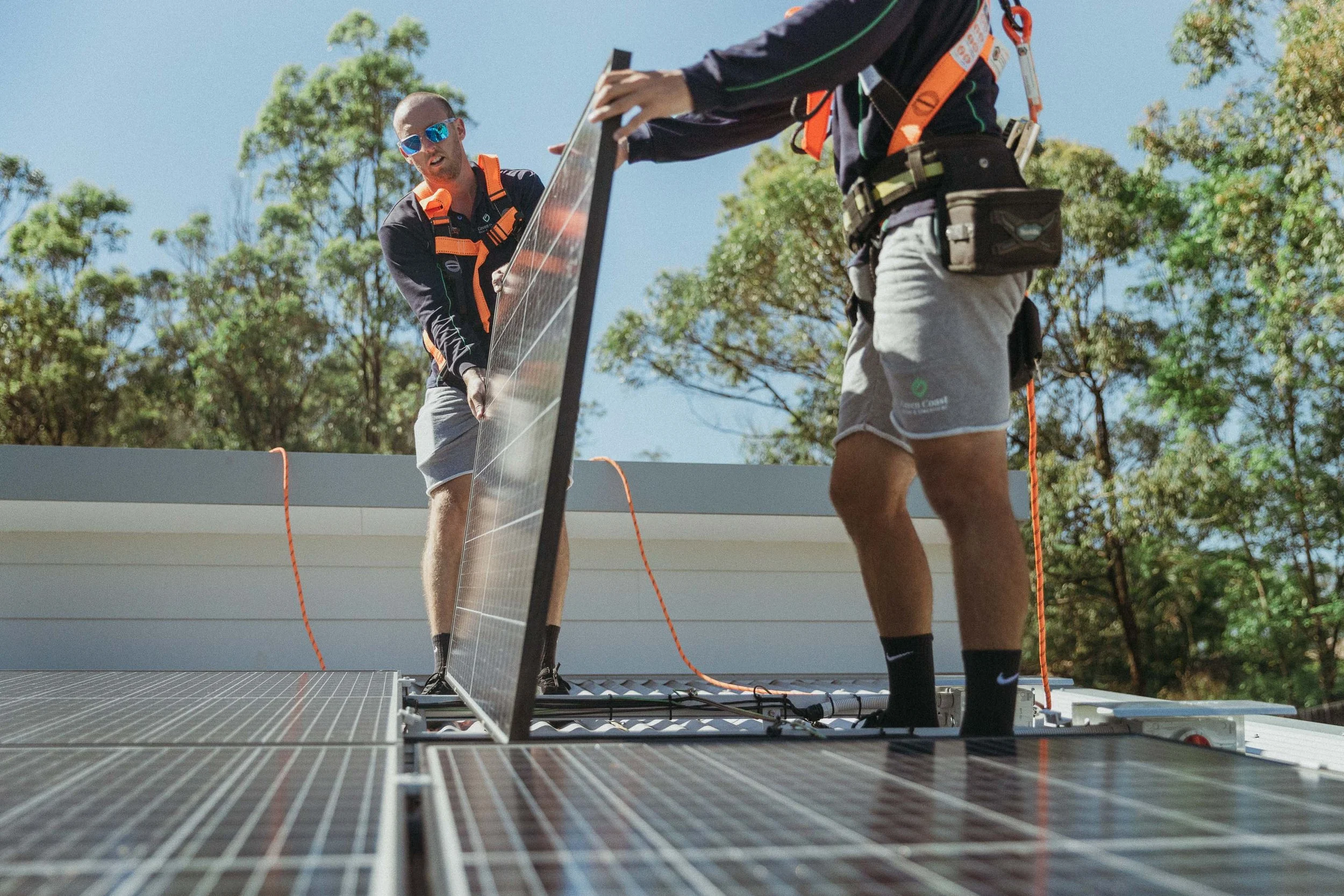
One of the biggest shifts in recent years is panel technology. Modern solar panels now deliver much more power from roughly the same physical size, which changes how we think about Solar Panel Sizing on the Gold Coast, especially on smaller or complex roofs.
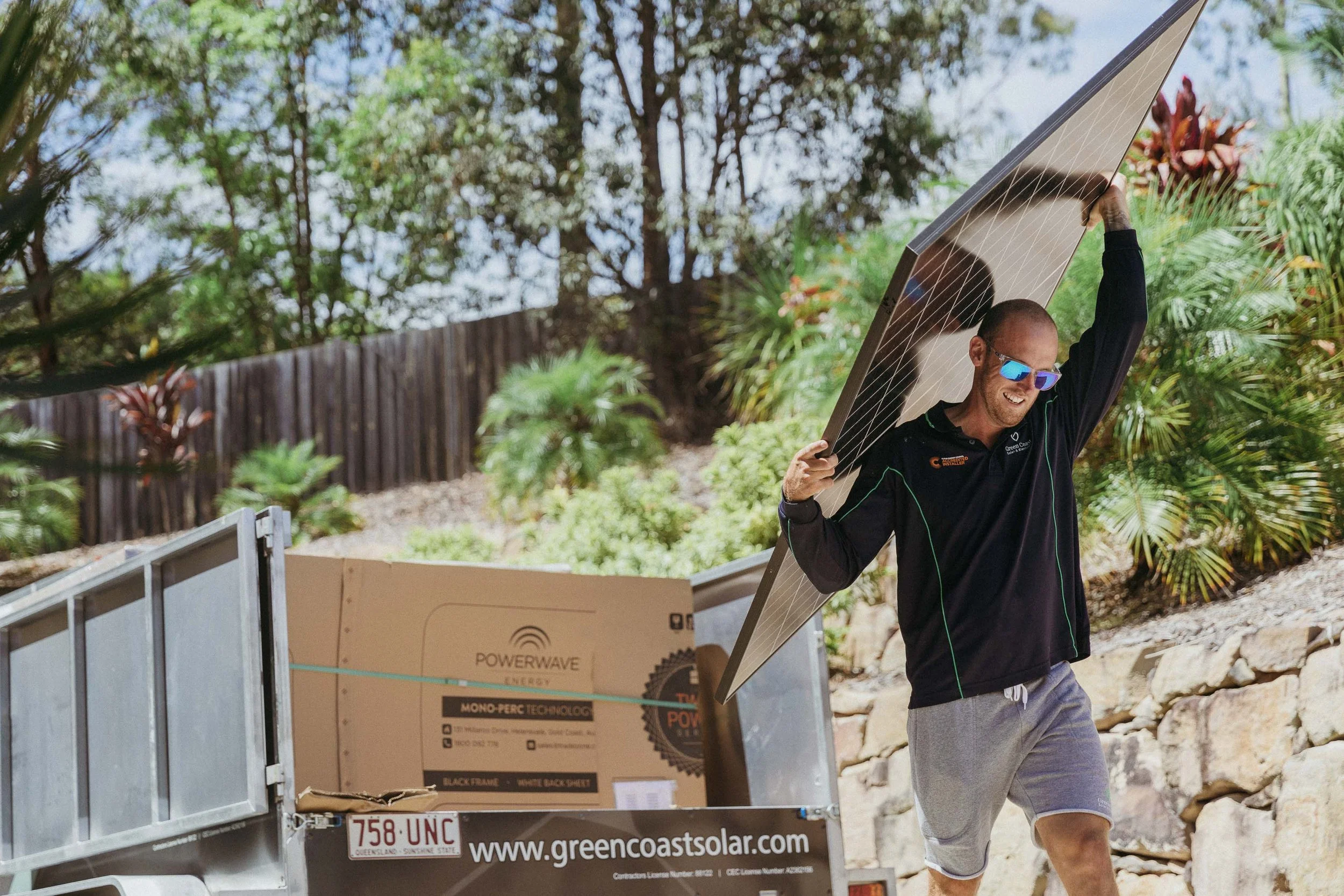
Typical residential panel dimensions: around 165 cm x 100 cm (about 65 in x 39 in).
Typical residential output in 2026: approximately 350–400 W per panel for quality brands.
Commercial‑scale panels: larger modules around 200 cm x 100 cm, often 400–450 W or more.
Manufacturers are steadily increasing efficiency, so by 2026 you can often achieve the same Solar System Capacity with fewer panels than older systems needed. For a typical 6.6 kW system, that might mean around 16–18 panels at ~390 W each. For a larger 10 kW system, you may be looking at 24–26 panels, depending on the exact module wattage chosen during your Solar Installation Guide process.
💡 Pro Tip: Panel wattage is only one part of the story. A professional design also considers shading, roof pitch, orientation, and how strings are configured so your system performs consistently in real Gold Coast conditions.
Real Home Energy Usage Patterns on the Gold Coast in 2026
Modern homes don’t use power the way they used to. Rising summer temperatures, more people working from home, and the growth of electric appliances and EV charging are changing Home Energy Usage patterns across South East Queensland. Understanding these patterns is essential for accurate Solar Panel Sizing.
Some common 2026 trends we see with our Green Coast Solar & Electrical customers include:
Daytime cooling loads: Air‑conditioning running harder and for longer on hot and humid Gold Coast days, especially in summer afternoons.
Work‑from‑home energy use: Computers, monitors, additional lighting, and more frequent appliance use during daylight hours.
Night‑time peaks: Cooking, entertainment, laundry, and hot water use often still spike after sunset, when solar alone can’t cover usage without battery support.
EV charging: Many homeowners now plug in EVs in the evening, which can effectively double household electricity demand if not planned for.
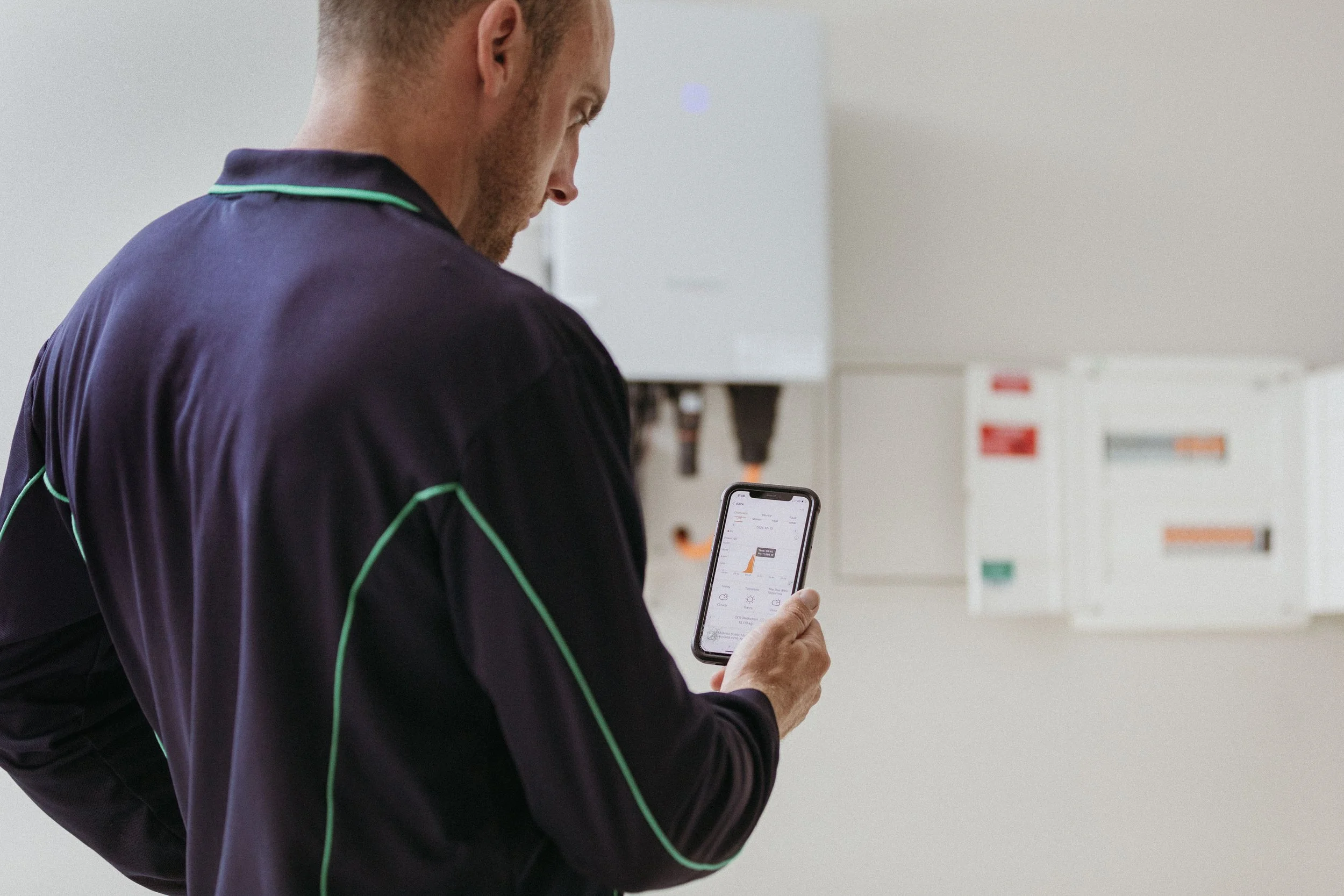
On top of this, smart meters and home energy management systems are giving households more visibility into when and how they use power. A proper solar design in 2026 uses this data to match your Solar System Capacity to your actual lifestyle, not a generic average.
Why Sizing Solar Based Only on Your Power Bills Can Be Misleading
Your electricity bill is a useful starting point—but it has one major limitation: it only shows how much energy you used over a billing period, not when you used it. For Solar Panel Sizing, that timing is critical.
Two homes can both use 20 kWh per day. One may use most of it during the day (perfect for solar), while the other uses most at night (much more reliant on the grid or a battery).
Bills average out seasonal peaks and troughs. On the Gold Coast, summer cooling can push consumption far above winter levels, but your quarterly bill hides this variation.
If you’re planning changes—like an EV, pool heater, or home office—your past bills don’t reflect your future Home Energy Usage.
This is why an engineering‑led consultation goes beyond the bill. At Green Coast Solar & Electrical, we often request interval data (if available from your retailer), ask detailed questions about your appliances and routines, and then model how different Solar System Capacity options would behave over a typical Gold Coast year. The goal is not to match a number on a bill, but to maximise your self‑consumption, reduce your bills, and future‑proof your system.
📌 Key Takeaway: Using bills alone can lead to a system that’s too small to cover your real needs, or oversized in a way that sends too much power back to the grid at low feed‑in rates. Both outcomes reduce your return on investment.
The Role of Home Energy Usage Timing in Solar Panel Sizing
Solar works best when your major loads run while the sun is shining. That’s why understanding your daily and seasonal timing patterns is central to any serious Solar Installation Guide in 2026. During a consultation, we’ll typically explore questions like:
Who is home during the day? Families with young children, retirees, or home‑based workers can often use more of their solar directly, improving payback on a slightly larger system.
When do you run air‑conditioning? On the Gold Coast, afternoon cooling aligns well with peak solar production—if your system is sized correctly and oriented well.
Do you use timers or smart controls? Running pool pumps, hot water, or dishwashers during the day can shift demand to match solar output, potentially allowing you to downsize a planned battery or avoid oversizing the array.
By mapping your usage timing against expected solar production for your roof, we can recommend a Solar System Capacity that makes the most of every kilowatt‑hour generated, instead of just chasing a headline number like “10 kW”.
Planning for EVs and Battery Storage Options: Designing for Tomorrow, Not Yesterday
One of the biggest mistakes we see is designing a solar system purely around today’s usage, even when a homeowner knows they’ll be adding an EV or battery in the next few years. In 2026, EV adoption is accelerating across South East Queensland, and battery prices continue to fall. Your Solar Panel Sizing should anticipate these shifts wherever possible.
Electric Vehicles (EVs)
A typical EV might use 10–20 kWh per day for local driving, which can be similar to adding another household to your meter. If you plan to charge mainly at night, a battery or time‑of‑use strategy becomes important. If you can charge during the day (for example, working from home), then a larger solar array can directly offset EV charging costs.
Daytime EV charging: Often justifies upsizing your Solar System Capacity beyond what your current bills suggest, especially with falling feed‑in tariffs.
Night‑time EV charging: Points towards combining solar with Battery Storage Options, sized so the battery can cover evening household loads and part of your EV charging.
Home Batteries
Battery Storage Options are now a mainstream part of Gold Coast Solar conversations. A correctly sized battery can:
Store excess daytime solar for evening and night‑time use
Provide backup during blackouts (important for home offices, medical equipment, or families wanting extra resilience)
Help you take advantage of time‑of‑use tariffs by charging off‑peak and discharging during peak rates
The key is that your Solar System Capacity and your battery capacity must be considered together. A small array with a large battery may not generate enough surplus energy to fill the battery regularly, especially in winter. Conversely, a very large array with a tiny battery might export too much unused energy to the grid. At Green Coast Solar & Electrical, we model different solar‑battery combinations so you can see how each option would perform over a typical year on the Gold Coast.
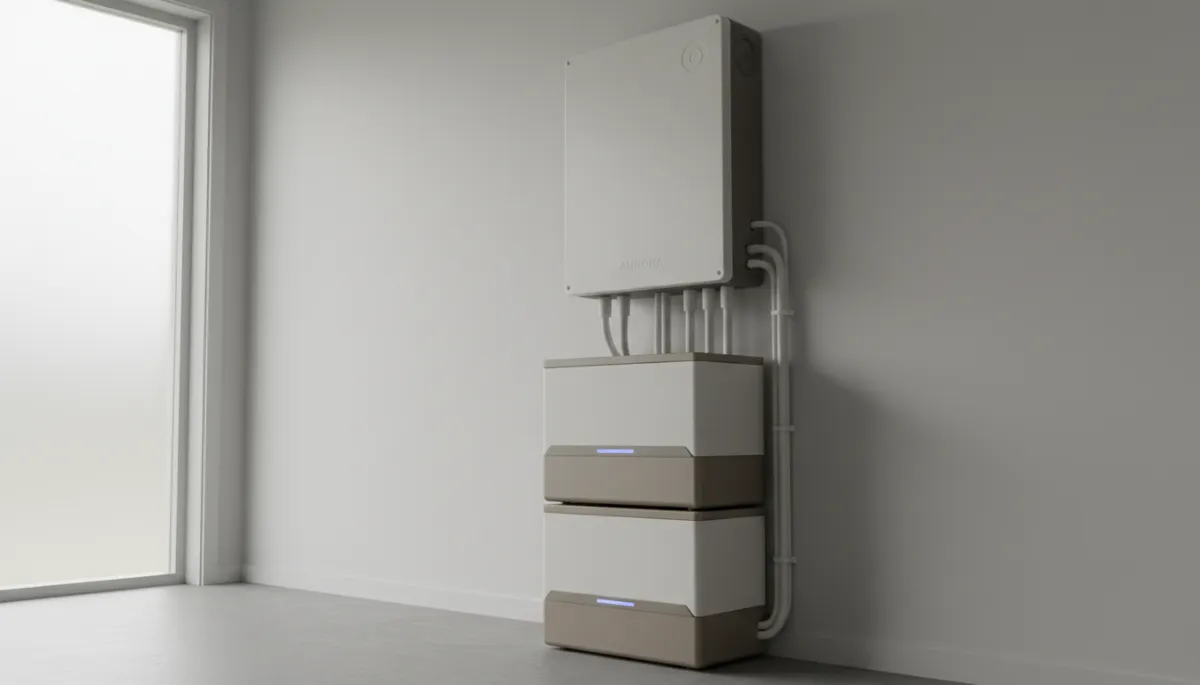
Pairing the right solar capacity with a well-sized battery maximises self-consumption and bill savings.
Roof Orientation and Usable Area: What Your Roof Can Actually Support
Even with the best intentions, your roof ultimately sets some hard limits on Solar Panel Sizing. On the Gold Coast, we’re fortunate to have strong sunlight, but roof orientation, pitch, shading, and available space still matter a great deal for system performance and value.
North‑facing roofs receive the most consistent sun throughout the day and are ideal for maximising total generation.
East‑facing roofs produce more in the morning, useful if your household peaks earlier in the day or you want to reduce morning grid imports.
West‑facing roofs favour afternoon production, which can align well with after‑school air‑conditioning and late‑day cooling.
South‑facing roofs generally produce less in our hemisphere and are usually a secondary option if other aspects are limited.
A professional design will often spread panels across multiple roof faces to better match your Home Energy Usage timing—for example, combining east and west arrays to stretch generation into morning and late afternoon. We also consider:
Shading from trees, neighbouring buildings, or roof structures like chimneys and TV antennas
Roof material and condition (tile vs metal, structural integrity, age)
Safe access for installers and future maintenance
Because modern panels in 2026 are more powerful per square metre than older models, we can often achieve a target Solar System Capacity even on tricky roofs. But it takes careful layout planning, not just squeezing as many panels as possible into any available space.
Factoring in Your Future Plans: Renovations, Families, and Long-Term Goals
Solar is a 20‑plus‑year investment. When we design systems for Gold Coast, Brisbane, Northern NSW, and Sunshine Coast homes, we always ask about your future plans, not just your current situation. This is a key part of responsible Solar Panel Sizing in 2026.
During a Green Coast Solar & Electrical consultation, we might ask:
Are you planning to stay in the home long term, or is this a 3–5 year property?
Are you expecting your family to grow, or children to move out, changing Home Energy Usage?
Are you considering electric hot water, a pool, ducted air‑conditioning, or an EV in the next few years?
Do you see yourself adding Battery Storage Options later, even if not immediately?
The answers help us decide whether to:
Design a system that’s easily expandable later (for example, by leaving spare inverter capacity or planning extra roof space for future panels)
Slightly upsize the array now to avoid more complex upgrades in a few years
This forward‑thinking approach aligns with our brand promise: engineering‑led, properly designed systems that deliver reliable performance and flexibility for decades, not just a quick fix for today’s bill.
So, How Much Solar Do Gold Coast Homes Typically Need in 2026?
Every home is different, but to give you a rough feel for Solar Panel Sizing in 2026, here are some broad examples we commonly see across the Gold Coast and surrounding regions. These are illustrative only—a proper design always requires a tailored consultation.
Smaller home or apartment, 1–2 people, modest daytime use: Often well served by a 4–6 kW system, especially if there’s no pool or EV and most usage is during the day.
Typical family home, 3–4 people, air‑conditioning, some daytime occupation: Commonly in the 6.6–10 kW range, depending on roof space, cooling habits, and whether battery storage is planned.
Larger home, pool, ducted air‑conditioning, EV present or planned: Often 10–15 kW or more, potentially combined with a 10–15 kWh battery to manage evening and overnight loads.
These ranges reflect the reality that in 2026, “how much solar you need” is not a simple one‑size‑fits‑all answer. It’s a balancing act between your roof, your budget, your Home Energy Usage, and your future plans.
⚠️ Warning: If a quote gives you a system size without asking detailed questions about your usage patterns, roof, and future goals, you may not be getting a properly engineered design.
Why a Proper Consultation Matters for Getting Solar System Capacity Right
With so many variables—panel technology, Home Energy Usage timing, EVs, Battery Storage Options, roof orientation, and future plans—the importance of a thorough, honest consultation can’t be overstated. This is where Green Coast Solar & Electrical’s engineering‑led approach makes a real difference for Gold Coast Solar customers.
What You Should Expect in a Quality Solar Consultation
A review of your bills and a discussion about when and how you use energy, including seasonal patterns and any smart meter data if available.
A detailed roof assessment using aerial imagery and, where needed, an on‑site inspection to understand shading, orientation, and structural considerations.
A conversation about EVs, batteries, and other future changes so your Solar Panel Sizing supports your long‑term plans, not just the next 12 months.
Clear explanations (in plain language) of different system sizes and configurations, including estimated generation, self‑consumption, and bill savings.
As a local business serving the Gold Coast, Brisbane, Northern NSW, and Sunshine Coast, we base our recommendations on real‑world performance in our climate, not generic national averages. Our in‑house installers then build the system to the same standard it was designed—ensuring that what looks good on paper actually works on your roof for decades to come.
Ready to Find Out How Much Solar You Really Need?
If you’re considering solar on the Gold Coast in 2026, the most valuable step you can take is to get personalised, engineering‑led advice. Online calculators and quick quotes based only on bills can be a helpful starting point, but they can’t replace a proper assessment of your roof, your Home Energy Usage, and your future plans for EVs and Battery Storage Options.
At Green Coast Solar & Electrical, we’re committed to honest advice, quality workmanship, and long‑term reliability. We design and install systems that are tailored to you—not just the cheapest or biggest option on the market. Our goal is to give you a solar and battery solution that feels “just right” for your home today and flexible enough for tomorrow.
💬 Next Step: Book a free, no‑pressure consultation with a Green Coast Solar & Electrical expert. We’ll walk you through your Solar Panel Sizing options, explain the numbers clearly, and help you choose a Solar System Capacity that truly matches the way you live—so your investment works hard for you for decades to come.