Most of the Gold Coast lives within a few kilometres of the surf. That is a big part of why people move here, and it is also the single biggest thing a solar system has to cope with. Salt in the air, strong onshore winds, summer storms and a mix of tile and metal roofs all change how a system should be specified and fixed down. A system that is fine in Toowoomba is not automatically fine in Burleigh Heads.
We have installed on Gold Coast roofs since 2009, from Coolangatta to Coomera and out to the hinterland. This is what we check on every coastal job, and what you should ask any installer before you sign.
Salt air: the slow problem
Sea spray does not stop at the beach. On a windy day it carries hundreds of metres inland, and homes in suburbs like Palm Beach, Mermaid Beach, Main Beach and Kingscliff sit well inside that zone. Salt settles on panel frames, racking, fasteners and the inverter, and over years it corrodes anything that was not built for it.
Three things matter here:
- Panels tested for salt mist. Look for panels certified to the IEC 61701 salt mist corrosion test. Most reputable Tier-1 panels carry it, but not all, and the cheaper end of the market often skips it. It should be on the datasheet, not just in the sales pitch.
- Racking and fasteners. Anodised aluminium rails and stainless steel fasteners are the standard for coastal work. Where different metals touch, they need to be isolated so they do not eat each other. This is basic galvanic corrosion, and it is where cheap installs go wrong first.
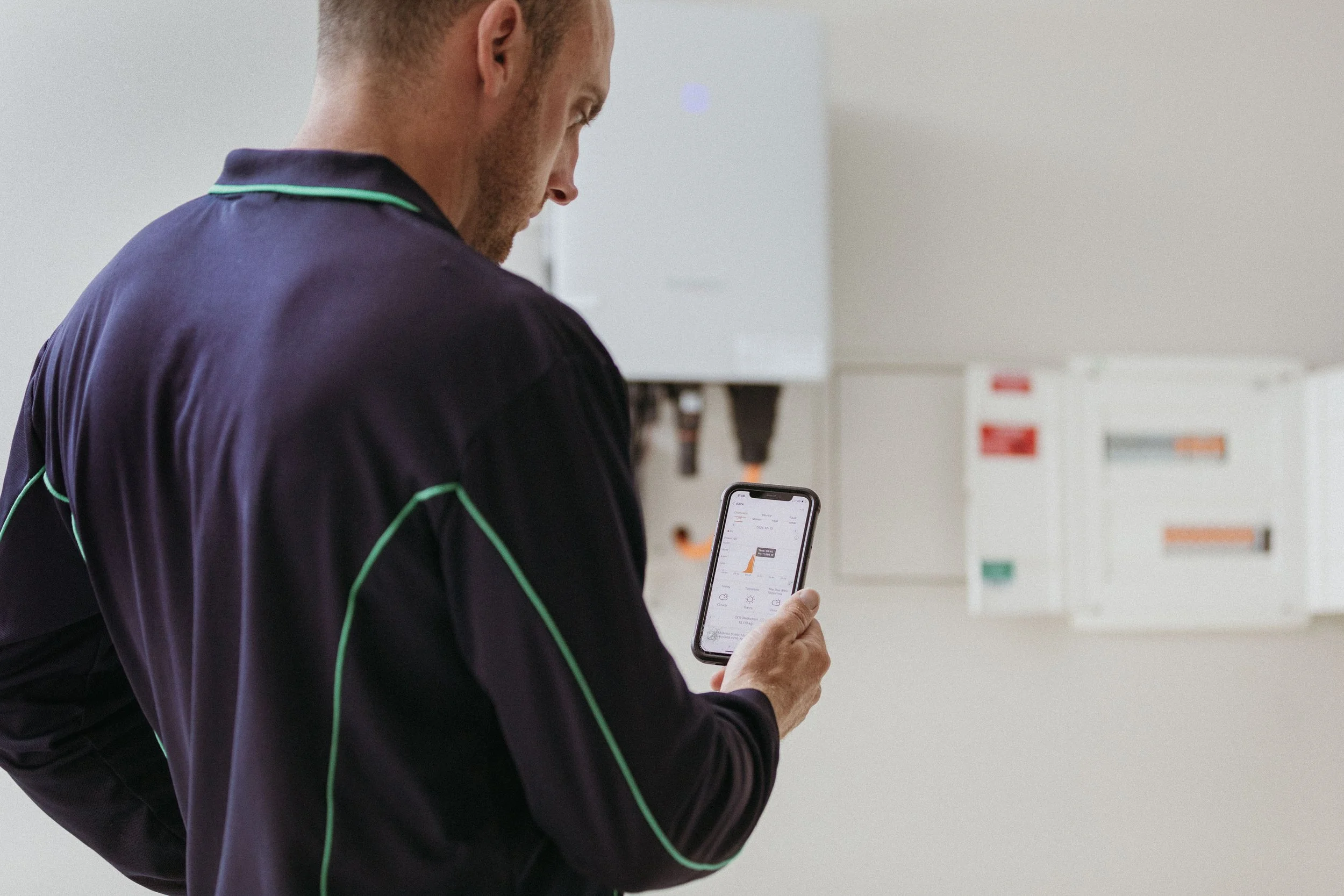
- Inverter and battery placement. An inverter mounted on the seaward wall in full sun and spray will not last. We look for a shaded, sheltered spot, often the garage, and we check the manufacturer's environmental rating before we hang anything outside.
Ask for the panel datasheet and look for the salt mist certification yourself. A good installer will hand it over without being asked twice.
Wind: the fast problem
The Gold Coast is a high-wind area under the Australian wind loading standard, AS/NZS 1170.2. The 2021 revision of that standard moved much of the south-east Queensland coast into a higher wind category, which for solar means more roof fixings, closer rail spacing and, on some roofs, extra rails compared with what was acceptable a few years ago.
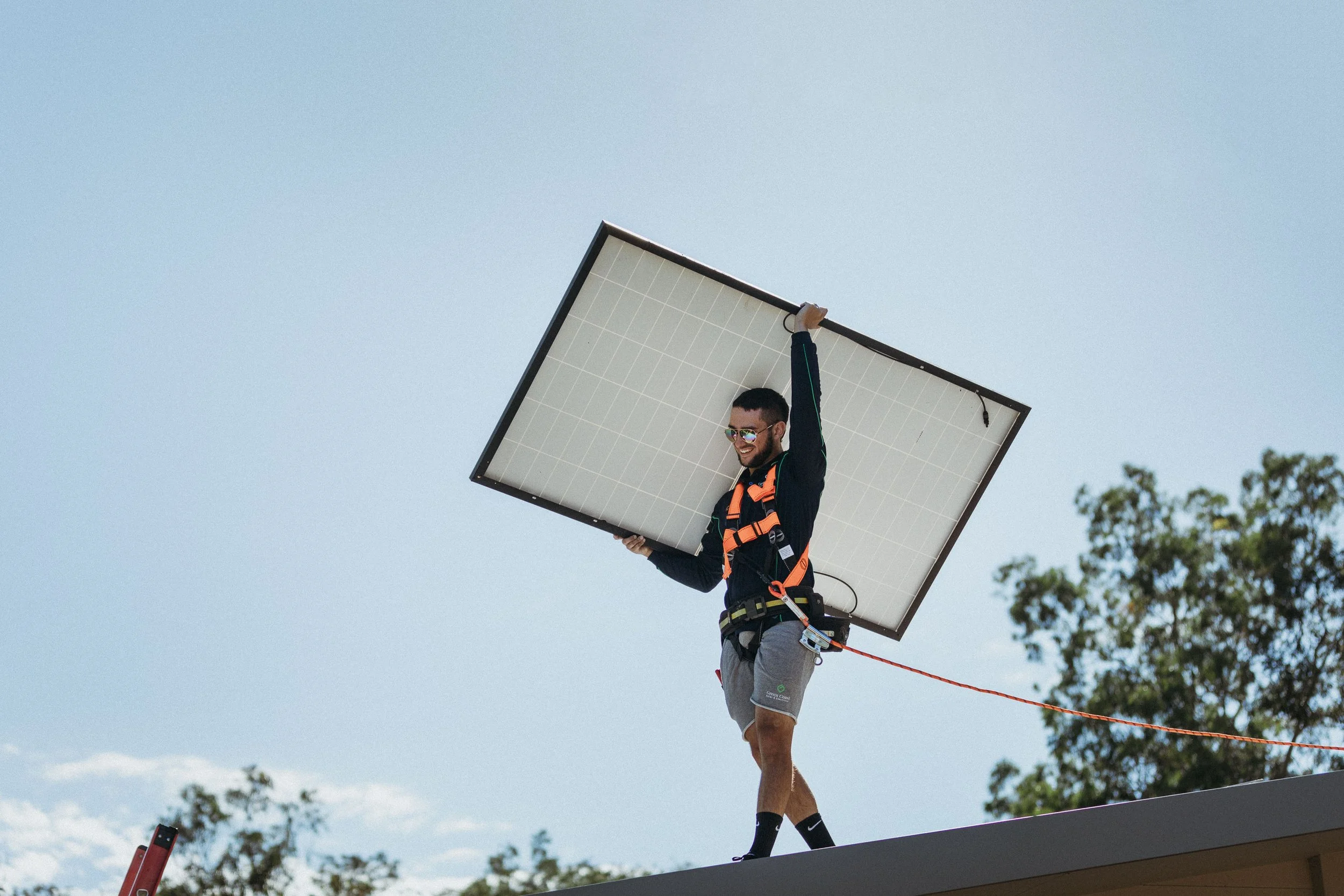
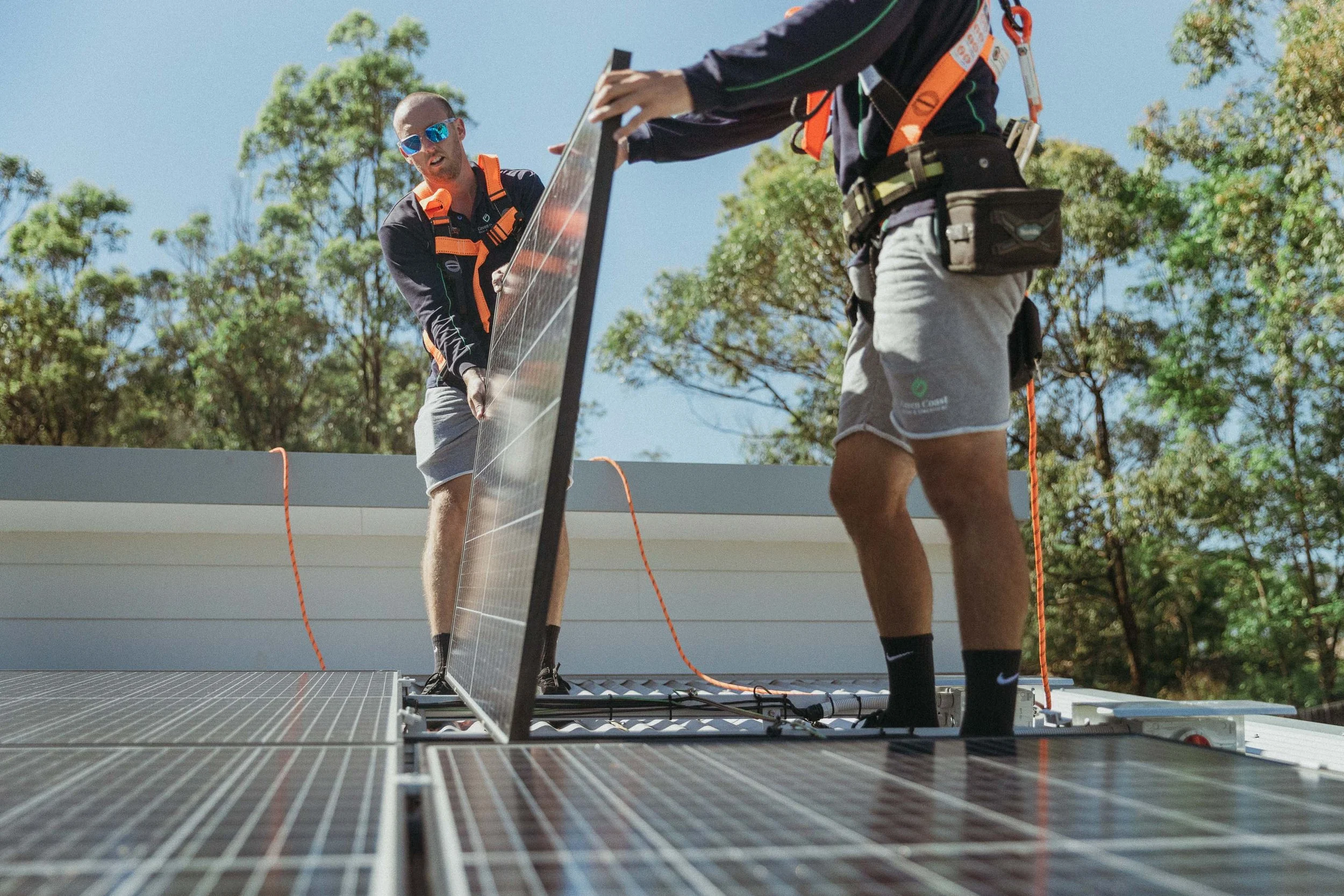
In practice this comes down to the racking system's engineering certificate and whether the installer actually follows it. The certificate specifies how many fixings per metre of rail for your wind region, roof type and the position on the roof. Edges and corners of a roof see much higher uplift than the middle, and that is where under-fixed arrays lift in a storm.
Things worth asking:
- Is the racking certified for the wind region my house sits in, and can I see the certificate?
- How are you fixing to my roof, and how many fixings per rail?
- Will panels be set back from the roof edges and ridge as the certificate requires?
Tile roofs versus metal roofs
Gold Coast suburbs are a mix. Older homes in Southport, Labrador, Ashmore and Robina often have concrete or terracotta tiles. Newer estates in Pimpama, Coomera and Helensvale are mostly metal. Each needs a different approach.
Tile roofs. The mounting brackets hook over the battens under the tiles. Done properly, tiles are lifted, brackets fixed to the rafters or battens, and the tiles returned, sometimes ground back slightly so they sit flat over the bracket. Done badly, tiles are cracked or left proud and the roof leaks a year later. On old brittle tiles, some breakage is normal, and a good installer carries spares and tells you up front.
Metal roofs. Fixings go through the roof sheet into the purlins or battens with sealed screws. It is quicker and generally more secure in wind, which is one reason metal is common on new coastal builds. The main risks are screws that miss the timber, and swarf from drilling left on the roof where it rusts into the coating. We sweep every metal roof before we leave.
Roof age and condition. Panels are a 25-year install. If your roof has ten years left in it, that is a conversation to have before the panels go up, not after. Our on-site assessment includes a proper look at the roof structure, not just a satellite image.
Storms, hail and summer heat
Summer on the coast brings afternoon storms. Panels are tested for hail impact as part of their certification, and a well-fixed array handles storm winds. Heat is the quieter issue. Panels lose output as they get hotter, and a roof in Nerang in January is hot. Leaving an air gap under the panels, which good racking does by design, helps them run cooler and produce more.
Lightning and surge protection is worth a mention too. A surge protection device in the switchboard is now standard practice on new electrical work in Queensland, and it protects the inverter as well as the rest of the house.
Warranties that mean something
Coastal conditions are exactly where warranties get tested. Three separate things are covered by three separate parties:
- The panel manufacturer covers the panels, usually with a product warranty and a longer performance warranty.
- The inverter and battery manufacturers cover their equipment, typically ten years.
- The installer covers the workmanship, which is the fixings, the wiring, the roof penetrations and the way it was all put together.
That last one is the one that matters when a roof leaks or a rail lifts. Ours is ten years, in writing, and we have been on the Gold Coast long enough to still be here to honour it. Ask any installer how long they have been operating locally and who you would call in year five. If the answer is vague, keep looking.
What we do differently on coastal jobs
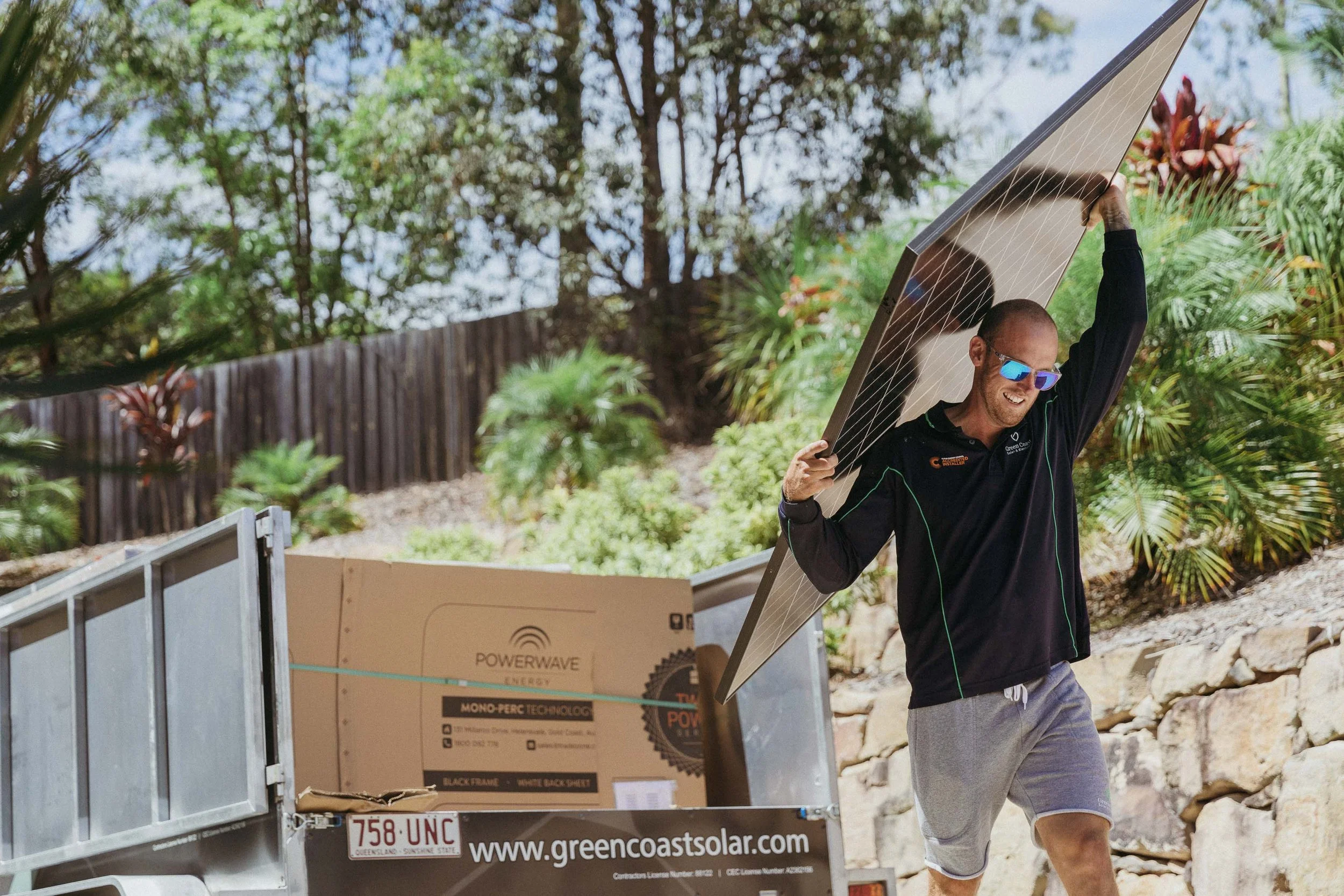
Every Green Coast install is done by our own team, so the person who designs the system is the same person who stands behind the work. On coastal homes that means:
- A physical site assessment before we quote, including the roof, the switchboard and where the inverter will live.
- Panels and racking chosen for salt mist and the local wind category, with the certificates available to you.
- Stainless fasteners, isolated dissimilar metals, sealed penetrations and a clean roof when we leave.
- Grid connection paperwork and after-sales support handled from our Arundel office.
If you are in a coastal Gold Coast suburb and thinking about solar or a battery, start with a free consultation. We will talk through your roof, your usage and what a properly built coastal system looks like for your home. No pressure, no obligation.
Sources and further reading
- GSES: the new version of the wind actions standard AS/NZS 1170.2
- SolarQuotes: solar panels by the sea and corrosion resistance
- Queensland Electrical Safety Office
General information only. Product suitability, wind categories and standards are confirmed for your specific home during the site assessment.